Skull Monster Illustrations: A Designer's Dark Asset
When you're building a brand with an edge or designing merchandise that needs to stop someone mid-scroll, generic imagery falls short. You need a visual with personality, a character that tells a story instantly. This is where a well-crafted Scary Skull Monster Illustration becomes more than just a picture; it becomes a central design asset. Think of it not as a simple drawing, but as a piece of premium visual storytelling. Its value lies in its ability to convey a specific mood—be it horror, rebellion, or fantasy—without a single word of text. This makes it a powerful tool for logo design, packaging design, and social media graphics where first impressions are everything.
Visual Character and Design Appeal
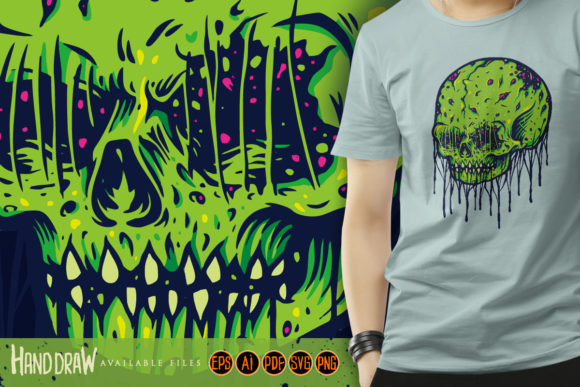
A strong Scary Skull Monster Illustration is defined by its visual grammar. The best examples balance menace with artistic flair. You'll often see exaggerated features—jagged teeth, hollow eyes, perhaps some fantastical horns or bone-like armor. The style can vary from gritty, hand-sketched textures that feel raw and authentic, to clean, bold vector lines that are perfect for modern branding. The "monster" element adds a layer of narrative; it’s not just a skull, but a creature with implied history and power. This personality is what makes it a creative font for the eyes. It commands attention in a way a standard icon cannot, making it ideal for projects that need a memorable visual anchor. The overall appeal is one of controlled chaos—visually complex enough to be interesting, but with a clear silhouette that reads well at various sizes.
Practical Applications Across Projects
The true test of any design asset is its versatility. A high-quality, vector-based Scary Skull Monster Illustration excels here because it's built for adaptation. Let's break down where it works best:
- Merchandise & Apparel: This is its home turf. On a t-shirt, tote bag, or sticker, the illustration becomes the main event. Its detailed nature rewards close inspection, and its bold shape is perfect for mug wraps or poster prints. It’s a classic for bands, skate brands, and Halloween-themed products.
- Digital & Branding: For entrepreneurs and bloggers in the gaming, music, or alternative lifestyle spaces, this type of illustration can form the core of a brand identity. It can be simplified for a favicon or used at full scale for a website hero image. In web design, it adds instant character to headers or section backgrounds.
- Publishing & Editorial: Think beyond the obvious. A stylized skull monster can be a powerful symbol in editorial design for articles about cybersecurity (the "digital monster"), finance (the "bear market"), or even science fiction book covers. It provides a strong visual metaphor.
- Marketing Materials: For flyers, posters, and banners promoting an event like a haunted attraction, a product launch with a "killer" deal, or a Halloween sale, the illustration sets the tone immediately. It’s a display piece that grabs attention in a crowded visual field.
The key is matching the illustration's style to your project's voice. A gritty, textured version suits a music festival poster, while a cleaner, geometric version might work for a tech startup's "disruptive" branding.
Integrating the Asset: A Practical Guide
Acquiring the file is just the first step. Effective integration is what separates good design from great. Here’s how to approach it:
- Evaluate the File Package: A professional asset will come ready for production. Look for the essentials: .AI and .EPS files for full editability in Adobe Illustrator, .SVG for web and scaling, and high-resolution .PNG files with transparent backgrounds for quick compositing. The "100% vector, editable color" promise is critical—it means you can recolor the monster to match your brand's palette without losing quality.
- Consider Readability and Hierarchy: As a display element, the skull monster illustration is meant to be seen, not read. Pair it with clean, legible typography. A sans serif font often provides a nice contrast to the organic, detailed lines of the illustration. If you're using it alongside text, ensure the illustration doesn't overpower your message; use it as a supporting visual or a standalone mark.
- Test for Brand Fit: Does the monster's personality align with your audience? It’s perfect for connecting with adults 20-50 who appreciate counter-culture, gaming, or edgy aesthetics. For a children's brand, it would be a mismatch. Always create a mockup—place the illustration on a t-shirt template or a social media post to see how it feels in context.
- Respect the License: Since this is a commercial font for graphics (a design asset), understand the license. Most standard licenses cover use on merchandise, digital products, and marketing materials you sell or distribute. Confirm that the license permits the scale of your intended use, especially for high-volume print runs.
Ultimately, a Scary Skull Monster Illustration is a specialized tool. It won't be right for every project, but when the fit is perfect, it injects an unmatched level of attitude and professionalism into your work. It’s a cornerstone asset for any designer or creator looking to build a bold and memorable visual identity.