Sweeten Your Visuals: The Power of Candy Clipart
In the world of design, the details often make the biggest impact. A single, well-chosen visual element can transform a flat layout into an engaging story. This is the promise of a curated set of Candy Clipart Illustrations. It’s a collection designed not just for decoration, but as a versatile tool for creators who need to inject a specific kind of energy—playful, inviting, and universally appealing—into their work. This isn't about generic stock images; it's about a purposeful library of assets that can elevate branding, marketing, and personal projects alike.
Anatomy of a Versatile Clipart Set
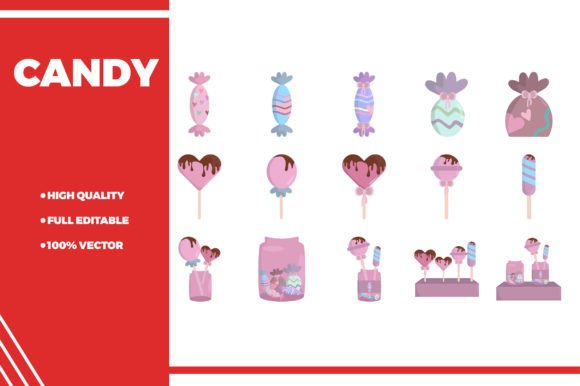
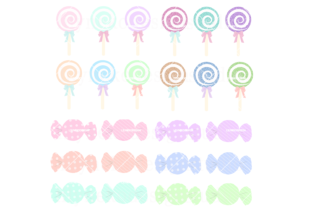
Understanding what you’re working with is the first step to using it effectively. This particular collection of Candy Clipart Illustrations comprises 24 individual, high-resolution PNG files. The technical specifications are built for professional use: each image is at least 6 inches on its longest side, ensuring scalability for both digital and print applications. The 300 dpi resolution guarantees sharpness, whether it's viewed on a screen or printed on a flyer. The transparent PNG format is a critical feature, allowing each candy piece to be seamlessly integrated into any background color, pattern, or photograph without cumbersome editing.
Visually, the appeal of candy clipart is its immediate, cross-generational recognition. The style typically leans towards a clean, illustrative approach—think bold colors, simple shapes, and a sense of whimsy. The personality is cheerful and nostalgic, evoking memories of childhood treats and celebrations. This makes it a powerful tool for brands and content aiming to connect with audiences on an emotional level, suggesting sweetness, reward, and simple pleasures. The visual consistency across the 24 pieces creates a cohesive family, perfect for building a unified brand identity or a themed project.
Where Sweetness Meets Strategy: Practical Applications
The true value of any design asset is measured by its utility. Candy Clipart Illustrations find their sweet spot across a surprisingly broad range of projects. For brand identity, they can be the cornerstone of a logo or mascot for bakeries, dessert shops, party planners, or children's brands. They extend naturally into packaging design, where a single lollipop or gummy bear illustration can make product labels pop on a crowded shelf.
In marketing and digital content, these assets are workhorses. They are perfect for creating eye-catching social media graphics, animated stories, or YouTube thumbnails. A well-placed candy graphic can increase engagement in email newsletters or blog posts about recipes, celebrations, or lifestyle topics. For editorial design, they can break up text-heavy layouts in magazines, cookbooks, or educational materials, making content more digestible and visually interesting.
For print and personal projects, the applications are equally rich. Crafters can use them for scrapbooking, custom greeting cards, party invitations, and stickers. Small business owners can design their own sales tags, thank-you cards, or promotional posters. The high-resolution files ensure that even large-format prints, like posters or banners for a local event, remain crisp and professional.
Making It Work: Guidance for Effective Use
Simply having the asset isn't enough; strategic implementation is key. Here’s how to approach using a clipart set like this effectively.
- Evaluate the Fit: Before diving in, assess if the playful, illustrative style aligns with your project's tone. It's a perfect match for brands that are friendly, approachable, and fun. For a luxury law firm or a serious financial institution, it might send the wrong message. The context must support the asset's personality.
- Test for Hierarchy and Balance: In design, not everything can be the star. Use these illustrations as accent pieces or supporting visuals rather than overwhelming your main message. A single, strategically placed candy icon can draw the eye to a call-to-action or highlight a key point. Pair them with clean, modern typography—like a simple sans serif font—to create a balanced contrast between the playful image and professional text.
- Consider Commercial Licensing: Always verify the license terms. For any project intended for commercial use, such as products for sale or client work, you must ensure the license permits it. This protects both you and the original creator. Most premium asset sets clearly state their licensing, but it’s a crucial step to review.
- Mind the Color Consistency: The note that "color may vary depending on your computer screen" is a standard but important reminder. For print projects, it's wise to do a small test print to check color accuracy, especially if the candy illustrations need to match other brand colors. For digital use, ensure your monitor is reasonably calibrated.
Ultimately, a well-chosen set of Candy Clipart Illustrations is more than just a collection of pictures. It’s a design asset that can inject personality, enhance visual storytelling, and create a consistent, engaging experience for your audience. By understanding its strengths and applying it thoughtfully, you can turn simple sweetness into a powerful component of your creative toolkit. The goal is to create work that resonates, and sometimes, the right visual element is the ingredient that ties everything together.